
Discover the Top Reasons and Solutions
Imagine walking up to your front door, and seeing the concrete path sink, creating a hazardous situation.
In Frederick, Maryland, sinking concrete is a common issue that homeowners, property owners, and construction professionals encounter. It can detract from the property’s aesthetic appeal. Additionally, it may also lead to further structural problems if not addressed promptly. Experts explain what causes it and how to fix it.
Have you ever wondered why that seemingly solid concrete slab is starting to look more like a roller coaster ride than a flat surface?
Key Takeaways
- Concrete sinks primarily due to soil erosion, poor soil compaction, and excess moisture
- Sinking concrete can negatively impact property value and structural integrity
- Soil erosion and compaction play crucial roles in concrete stability
- Local climate and soil conditions in Frederick, Maryland, contribute to concrete sinking
- Addressing sinking concrete involves both DIY methods and professional services
Understanding Concrete Sinking: A Common Problem
Concrete sinking is a widespread issue that affects many properties, particularly in regions with variable soil types and climate conditions like Frederick, Maryland. The sight of sunken concrete can be both frustrating and concerning, as it often signals underlying issues that could escalate if left unattended. Understanding why concrete sinks is the first step towards finding effective solutions.
Why Concrete Sinking Happens
Concrete slabs often sink due to problems with the underlying soil. One of the most common causes is soil erosion, which occurs when water runoff gradually washes away the soil supporting the concrete. This can be exacerbated by poor drainage, heavy rainfall, or thaw cycles that cause the soil to shift and settle unevenly. Additionally, poor soil compaction during the initial construction phase can lead to loose soil beneath the slabs, paving the way for sinking.
Excess moisture is another culprit. When the soil absorbs too much water, it can lead to instability, causing the concrete to sink. Conversely, heavy loads placed on the concrete can increase pressure, forcing it to settle into the compromised soil. These underlying soil issues are critical to understanding why your concrete might not be standing strong.
Impact of Sinking Concrete on Property Value
Sinking concrete isn’t just an eyesore; it can significantly impact your property’s value. Potential buyers may view sunken slabs as a sign of neglect or poor maintenance. This perception can deter prospective buyers, as they anticipate the repair costs associated with addressing these issues. Moreover, a sunken concrete slab can compromise the structural integrity of surrounding areas, leading to further damage and expensive repairs.
In some cases, the foundation itself may be at risk, which can be particularly alarming for homeowners. If left unaddressed, these problems can snowball into more significant issues, ultimately affecting the property’s market value. By understanding the potential implications, you can take proactive steps to protect your investment and maintain your home’s curb appeal.
How Soil Erosion Affects Concrete Slabs
Soil erosion is a natural process that can have devastating effects on the stability of concrete slabs. Understanding how erosion occurs and its impact on concrete is essential for preventing further damage.
The Process of Soil Erosion
Water runoff is the primary driver of soil erosion, and it doesn’t take much for it to start affecting your concrete slabs. Heavy rainfall or poor drainage systems can lead to significant water accumulation, which gradually removes the soil from beneath the concrete. This erosion process creates voids under the slab, causing it to lose support and eventually sink.
Thaw cycles in regions like Frederick further exacerbate erosion. As the ground freezes and thaws, the soil expands and contracts, increasing the risk of erosion and instability. Without proper drainage, water seeps into these cracks, worsening the situation. Addressing poor drainage is crucial in mitigating erosion and its effects on your concrete.
Effects of Erosion on Concrete Stability
When erosion weakens the soil beneath a concrete slab, the stability of the entire structure is compromised. As the soil erodes, the concrete slab loses its foundation, leading to uneven settling and potential cracks. These cracks may start small but can quickly expand, creating safety hazards and further devaluing your property.
The structural damage caused by erosion can extend beyond the concrete itself. Sunken slabs may lead to misaligned doors and windows, cracks in interior walls, and even plumbing issues due to shifting foundations. The ripple effect of erosion underscores the importance of addressing these issues promptly to prevent further complications.
The Role of Soil Compaction in Sinking Concrete
Soil compaction is a critical factor in ensuring the stability of concrete slabs. Without proper compaction, concrete is at risk of sinking and causing a host of problems for property owners.
Understanding Soil Compaction
Compaction involves pressing soil particles together to create a dense, stable base for concrete slabs. This process is crucial for providing the necessary support to prevent sinking. However, inadequate compaction during construction can result in loose soil beneath the slabs, making them vulnerable to shifting over time.
Interestingly, over-compaction can also pose a problem. Heavy equipment or excessive foot traffic can lead to overly compacted soil, preventing proper drainage and increasing the risk of erosion. Both under-compaction and over-compaction highlight the importance of understanding soil conditions and applying the right techniques during construction.
How Compaction Leads to Sinking
Loose soil will settle over time, causing the concrete above it to sink gradually. This settling process can create uneven slabs, leading to visible cracks and potential tripping hazards. On the other hand, overly compacted soil can trap water, exacerbating erosion and further sinking.
To prevent these issues, proper compaction techniques should be employed during construction. Ensuring that the soil is neither too loose nor too compacted is key to maintaining stable concrete surfaces. By addressing these underlying soil issues, you can help protect your property from the headaches of sinking concrete.
Common Causes of Concrete Sinking in Frederick, Maryland
Frederick, Maryland, presents unique challenges when it comes to concrete stability. The local climate and soil conditions play significant roles in the prevalence of sinking concrete in the area.
Climate Factors in Frederick
Frederick experiences freeze-thaw cycles that can severely impact soil stability. During winter, the ground freezes and expands, only to thaw and contract as temperatures rise. This constant expansion and contraction can lead to soil shifting, causing concrete slabs to sink.
Heavy rainfall is another contributing factor. Excess moisture can saturate the soil, leading to erosion and instability. Without proper drainage systems in place, water accumulation can further exacerbate sinking issues, making it crucial for homeowners to adopt specific maintenance strategies tailored to Frederick’s climate.
Local Soil Conditions and Their Impact
The soil composition in Frederick varies, with some areas having clay-rich soils that expand and contract significantly with moisture changes. These expansive clay soils can be particularly problematic, as they contribute to uneven settling and increased erosion.
Conversely, sandy soils found in certain parts of Frederick may erode more easily, leading to instability. Understanding the local soil conditions is essential for planning concrete projects and implementing preventative measures. By considering these factors, you can reduce the risk of sinking concrete and its associated problems.
Identifying Signs of Sinking Concrete in Your Property
Recognizing the signs of sinking concrete early on can save you from costly repairs and further damage. By keeping an eye out for visible and subtle indicators, you can address these issues before they escalate.
Visible Indicators of Sinking
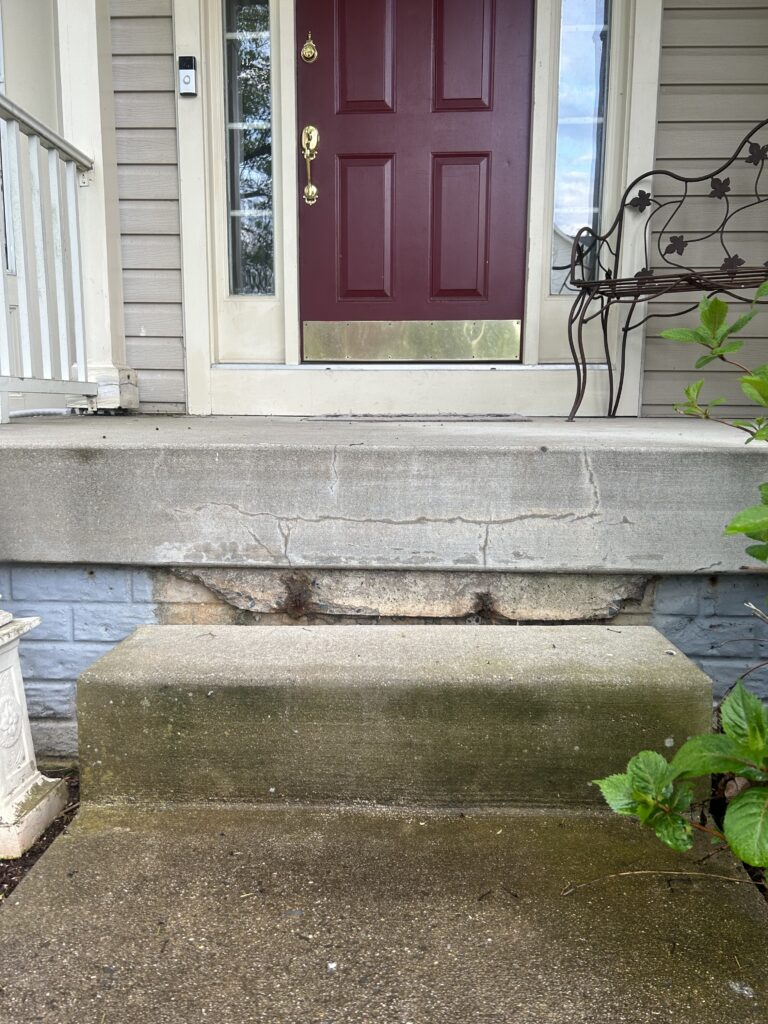
Cracks in your concrete slabs are often the first sign of trouble. These cracks may appear as small hairline fractures or larger, more pronounced splits. Uneven surfaces are another telltale sign, indicating underlying soil issues that need attention.
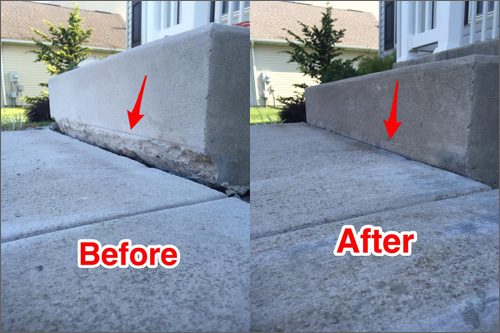
Gaps between slabs and adjacent structures, such as walls or steps, suggest that the concrete is settling and losing support. Additionally, sunken areas often collect water, creating puddles that exacerbate the problem over time. By monitoring these visible signs, you can take action before the damage worsens.
Subtle Signs to Watch For
Aside from visible indicators, there are more subtle signs that your concrete may be sinking. Doors and windows that stick or become misaligned often point to a shifting foundation. Interior cracks in walls can also indicate exterior sinking issues, as the entire structure is affected.
Misaligned fences or decks may result from uneven settling, while drainage problems might be a clue to deeper issues with your concrete. Keeping an eye on these subtle signs can help you catch problems early and prevent further damage to your property.
Effective Solutions for Fixing Sinking Concrete
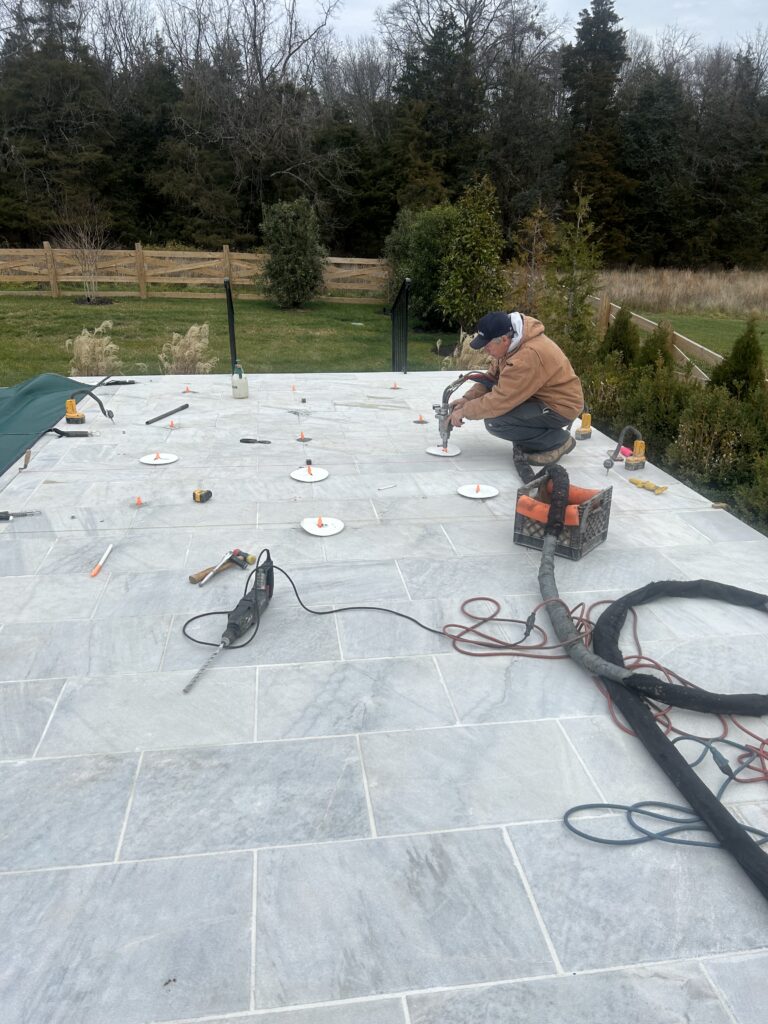
Once you’ve identified sinking concrete, it’s time to explore solutions. Depending on the severity of the sinking, you can choose between DIY methods for minor issues or seek professional help for more significant problems.
DIY Methods for Minor Sinking
For minor sinking issues, DIY solutions can be effective and cost-efficient. One popular method is using polyurethane foam to lift and stabilize small areas. This lightweight foam expands and hardens, filling voids and providing support to the sunken concrete.
Another option is to fill minor voids under the slabs with sand or gravel. These materials can help stabilize the foundation and prevent further sinking. Proper sealing of the concrete surface is also crucial to prevent water from exacerbating the issue. Regular inspection and maintenance allow you to catch sinking early and address it promptly.
When to Consider Professional Help
Significant sinking issues require the expertise of professionals. Large voids or extensive cracking may need specialized equipment and techniques to ensure effective repairs. Incorrect DIY repairs can lead to more extensive damage, making professional intervention a wise choice.
Timely professional assistance can prevent further issues and provide long-lasting solutions. By addressing severe sinking promptly, you can protect your property and avoid costly repairs down the line.
Professional Services for Concrete Sinking Problems
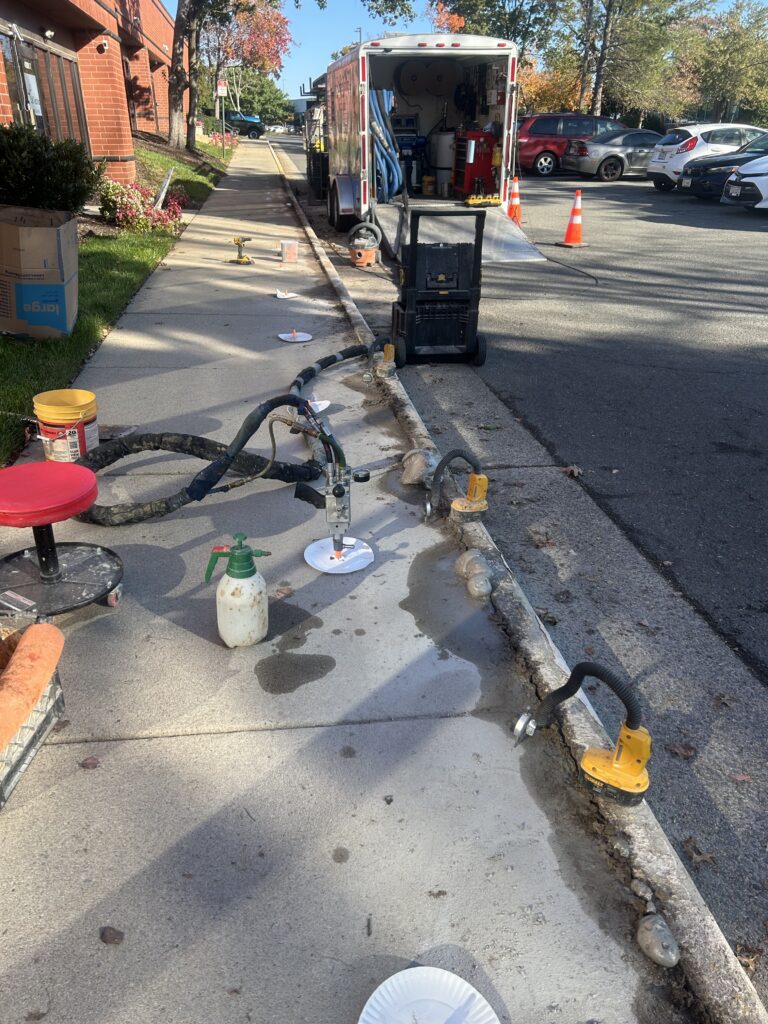
When DIY solutions aren’t enough, professional services can offer comprehensive solutions for concrete sinking issues.
Types of Services Available
Professionals offer a range of services to address sinking concrete. Mud-jacking is a popular method that involves re-leveling sunken slabs using a slurry mix. This technique is effective for larger areas and can restore the concrete to its original position.
Polyjacking is another option, offering a lightweight and efficient lifting solution using expanding foam. Foundation repair services can address structural issues, while drainage improvement services prevent future erosion. By choosing the right service, you can effectively address your concrete sinking problems.
Benefits of Hiring Professionals
Hiring professionals provides several advantages. They offer experienced assessments of the problem and use specialized equipment to ensure effective and lasting repairs. Many professional services come with warranties and guarantees, providing peace of mind for homeowners.
Additionally, experts offer valuable advice on preventing future sinking issues. By leveraging their experience and knowledge, you can maintain the stability of your concrete and protect your property’s value.
Preventing Concrete Slabs from Future Sinking
Preventing future sinking requires a combination of routine maintenance and long-term strategies. By being proactive, you can safeguard your property from further issues.
Routine Maintenance Tips
Regular inspection of your concrete slabs is essential for identifying signs of sinking early. Ensure proper drainage around your concrete installations to prevent water accumulation. Address minor cracks and gaps promptly to prevent them from worsening.
Keeping heavy loads off vulnerable areas can also reduce stress on the concrete. By incorporating these maintenance tips into your routine, you can help prevent future sinking issues.
Long-term Prevention Strategies
For long-term prevention, consider soil stabilization techniques for problematic areas. Proper grading and landscaping can manage water flow and reduce erosion risks. Selecting appropriate concrete mixes for local soil conditions is another crucial step.
Planning construction projects with future soil movement in mind can also help prevent sinking. By considering these long-term strategies, you can protect your property from the challenges of sinking concrete.
Choosing the Right Contractor for Concrete Repairs
When seeking professional help, choosing the right contractor is crucial. By considering key qualities and asking the right questions, you can make an informed decision.
Key Qualities to Look For
Experience with local soil and climate conditions is essential for effective repairs. Look for contractors with a reputation for quality work and transparent pricing. Detailed estimates and clear communication are also important factors to consider.
Checking for proper licensing and insurance ensures that the contractor is reputable and reliable. By focusing on these qualities, you can choose a contractor who will deliver effective and lasting results.
Questions to Ask Potential Contractors
When evaluating potential contractors, ask about their experience with similar sinking issues. Inquire about the types of solutions they recommend and request references from past clients for verification.
Discuss timelines and guarantees for the work proposed to ensure that you’re getting the best service possible. By asking these questions, you can confidently choose a contractor who will address your sinking concrete problems effectively.
Final Thoughts on Managing and Preventing Concrete Sinking
Managing and preventing concrete sinking requires a proactive approach. By understanding the causes and exploring effective solutions, you can protect your property from the challenges of sinking concrete.
Summary of Key Points
Understanding the causes of concrete sinking is essential for effective problem management. Early detection prevents costly and extensive repairs, while professional services offer reliable and lasting solutions. Preventive measures, such as routine maintenance and long-term strategies, ensure long-term concrete stability.
Encouragement for Proactive Management
Taking proactive steps saves time, money, and stress, preserving your property’s value and safety. Staying informed empowers you to handle issues confidently, and engaging with professionals safeguards your investment. By being proactive, you can enjoy the peace of mind that comes with a stable and secure property.
Have you noticed any signs of sinking concrete on your property? What steps will you take to address it and protect your investment?
Frequently Asked Questions
How much does it cost to fix sinking concrete?
The cost to fix sinking concrete varies based on factors like the extent of the damage and location. Generally, you might expect to pay between $500 and $1,500 for professional services like mud-jacking or polyurethane foam injection. These methods stabilize the concrete by filling voids underneath, lifting it back into place. Costs can increase if significant structural issues are involved, so it’s wise to get multiple quotes from local contractors to find the best value for your specific situation.
What can cause concrete to crumble after a few months?
Concrete can crumble due to factors like poor mixing ratios, insufficient curing, or exposure to harsh weather conditions. If the concrete mix lacks the right amount of cement, it may not bind properly, leading to weakness. Additionally, if the surface isn’t properly sealed or cured, moisture can penetrate, causing deterioration. Sometimes, exposure to freeze-thaw cycles or chemical deicers can also contribute to crumbling. Ensuring a quality mix and following proper curing practices can help prevent these issues.
Can you fix slab heave?
Yes, slab heave can be fixed, but it often requires professional intervention. Common solutions include re-leveling the slab using hydraulic jacking or underpinning techniques. These methods help stabilize the foundation and restore the slab to its original position. Sometimes, addressing underlying issues like poor drainage or soil expansion is necessary to prevent future heaving. Consulting a foundation repair expert will provide the best approach tailored to your specific problem.
Can crumbling concrete be fixed?
Crumbling concrete can often be repaired, but the approach depends on the severity of the damage. For minor crumbling, resurfacing products or patching compounds can restore the surface. For more extensive damage, it may be necessary to remove and replace the affected sections. To prevent future issues, identify and address the root cause, such as poor drainage or freeze-thaw cycles. Consulting with a concrete repair specialist can ensure a long-lasting solution.